 |
| (Image from creamcitymusic.com) |
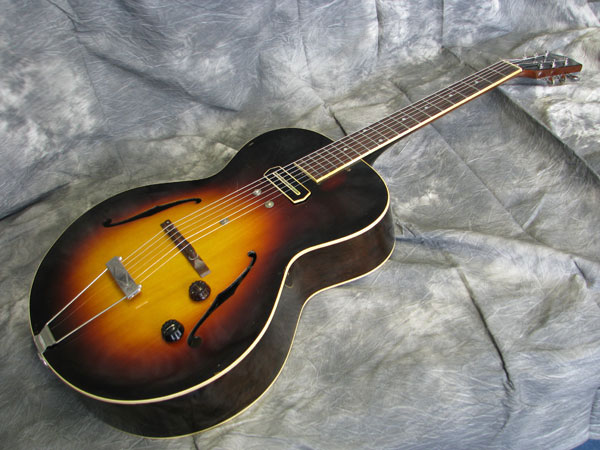
The first electric guitars were little more than acoustic guitars outfitted with a pickup to create and amplified signal in order to hear the guitar player in a jazz big band. Over the years, through countless design innovations, the electric guitar has transformed into shapes and forms to serve every purpose. The main impacts of electric guitar design innovation have been increased comfort, increased musical range, and more overall sonic possibilities.
 |
| (Image from Fender-Stratocaster.com) |
The shape of a standard acoustic guitar usually consists of a rounded body that closes off at both sides of the guitar neck. The body is hollow to allow the sound to to be amplified. With the advent of guitar pickups, which transmit the vibrations of metal strings into an electric signal, the shape of the guitar could take on any form. This has allowed for thinner, more ergonomic bodies, such as that of the fender stratocaster. With these more natural and comfortable shapes, guitarists can further relax in their playing, which is a necessity for developing proper and consistent technique. This change in shape also allows for comfort a guitar player may need to stand for a long period of time.
 |
| (Image from Wutzdog-Guitars.de) |
Along with the ability to achieve ergonomic shapes, the ability to change the traditional body style created designs that promote access to the entire guitar fretboard. This allows players to easily utilize the entire range of the instrument, therefore being able to play more notes, as well as more variations of the same note or chord. In this sense, players could discover new ways of playing the guitar.Although the concept of the cutaway guitar did not originate with the electric, the ability to easily manipulate the body without changing sound made it more prevalent.
 |
| (Humbucking Pickups- Image from dacetech.com) |
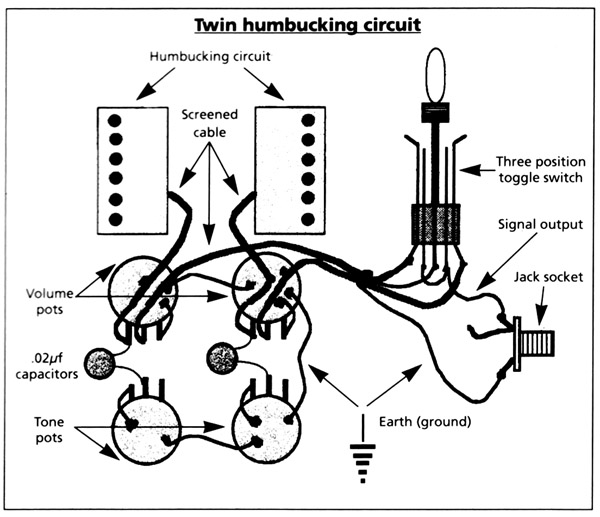
With the advent of the electronic pickup came a new way to alter the way a stringed instrument sounds. Electronics in guitars allow for the alteration of equalization of the signal, as well as the entire signal itself. For example, the standard Gibson guitar design consists of two Humbucking pickups each with their own volume and tone knob, and a switch to use either one of or both pickups at the same time. These options instantly create thousands of sound opportunities compared with a standard acoustic guitar. Couple those possibilities with an amplifier that has it's own tone equalizer and volume adjustments, and you have thousands of more possibilities. With the addition of guitar effects, these possibilities have allowed individual guitarists such as Jimi Hendrix, Jimmy page, David Gilmore, and countless others to develop a distinctive sound that can be instantly recognized.
 |
| (Image from thegearpage.net) |
These changes in guitar design may appear to be somewhat small, but their impact has played a large role in shaping the music we have been hearing for over seventy years. If the deign of the guitar form and content had not changed, the music we know would not exist. Due to the change in the guitar's shape and output, we have increased it's comfort, increased it's range, and created sound possibilities that will continue to be explored for generations.

No comments:
Post a Comment